

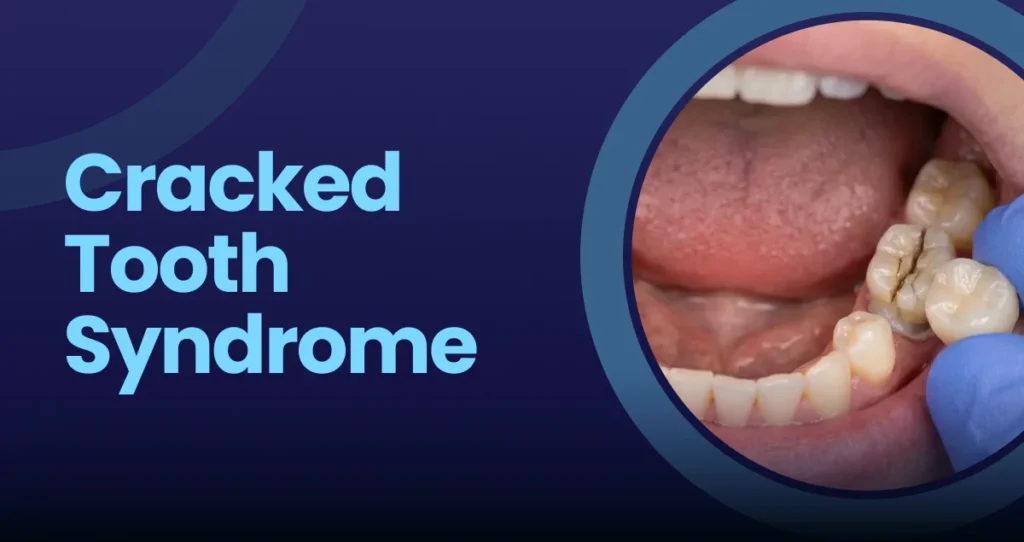
Do you experience a sharp pain when biting down but cannot see any visible damage to your tooth?
You could be dealing with cracked tooth syndrome.
Unlike a chipped tooth, which may leave an obvious piece missing, a small crack can be difficult to spot. You might only notice occasional discomfort when chewing, sensitivity to cold drinks, or a sudden pain when releasing your bite. Because these symptoms can come and go, many people delay getting their teeth checked.
However, an untreated crack can gradually spread and cause more serious damage. Early diagnosis gives your dentist a better opportunity to protect the affected tooth and determine the right treatment.
In this guide, we’ll explain common symptoms, possible causes, different types of cracks, and available treatment options. We’ll also discuss when to seek dental care and how Gillmore Medical Dental can help patients in Maple, Ontario.
What Is Cracked Tooth Syndrome?
Cracked Tooth Syndrome describes a condition in which a tooth develops a crack that may cause discomfort during biting or chewing. The crack can affect the outer enamel and extend into the deeper layers of the tooth.
Unlike a complete fracture, the tooth may in fact remain in one piece. The pressure of chewing can, however, cause the fractured sections to move slightly, and this can irritate the sensitive tissues inside.
These cracks aren’t always easy to pick up on a standard examination. Some are incredibly fine, tucked right beneath an existing filling, or in areas that are simply hard to see.
The American Association of Endodontists says early diagnosis is key, as a crack can progress slowly over time. For more information, see their guide to cracked teeth and the symptoms they can present.
Common Symptoms of Cracked Tooth Syndrome
Symptoms may vary depending on the location, depth, and severity of the crack. Some people will have intermittent discomfort; others will have constant pain.
Here are some common symptoms of cracked tooth syndrome to watch for.
1. Sharp Pain When Biting or Chewing
One of the most obvious is sudden, sharp pain when biting. You may feel discomfort when you’re chewing on one side of your mouth.
The pain is particularly evident when you’re eating something hard or crunchy.
2. Pain When Releasing Bite Pressure
Occasionally, you may feel discomfort when you release the bite rather than when you’re actually biting down. That’s because the cracked bits can move as the pressure changes.
This is common with an incomplete tooth fracture.
3. Sensitivity to Hot and Cold Foods
A crack can expose the tooth’s more sensitive inner structures, making the tooth more sensitive to temperature. You’ll often get a very brief, sharp sensation when you’re drinking a cold drink or having a hot drink.
4. Intermittent Tooth Pain
The discomfort may occur during meals and go away afterward. It’s quite an inconsistent pattern, which makes it very difficult to know which tooth it is.
5. Discomfort Around a Specific Tooth
You may find that one tooth is uncomfortable even if there’s no cavity or damage visible. If the pain is coming from the same spot time and again, then a dental visit will help to establish the cause.
What Causes Cracked Tooth Syndrome?
Several factors can weaken teeth or place excessive pressure on them. Understanding the causes of cracked tooth syndrome can help you reduce your risk.
1. Biting Hard Foods and Objects
Chewing ice, hard candies, popcorn kernels, and the like can put a lot of pressure on your teeth. Biting on non-food objects (pens, fingernails, etc.) can also be damaging.
2. Teeth Grinding and Clenching
Grinding or clenching your teeth (especially whilst you’re asleep) applies a constant pressure to the tooth structure. Over time, this can lead to cracks and fractures.
3. Large Dental Fillings
Teeth with large fillings may have a significant portion of their natural structure removed and may be more prone to cracking.
4. Accidental Injuries or Dental Trauma
A fall, a sports injury, or a direct blow to the mouth can cause a tooth to crack. The damage may not be apparent at the time.
5. Natural Tooth Wear and Aging
Teeth can be gradually affected by years of chewing and exposure to the normal pressures of daily life. Older teeth are more susceptible to cracking, particularly in the presence of other risk factors.
Different Types of Tooth Cracks
Not all cracks are the same. Dentists classify tooth cracks according to their position, depth, and how far they extend.
1. Craze Lines
These are superficial lines that affect the outer enamel and are very common in adult teeth; they are generally not painful and don’t require treatment.
2. Fractured Cusp
A fractured cusp is when a piece of the biting surface of the tooth breaks off, usually around a filling. The extent of the damage will determine whether the dentist recommends a filling or a crown.
3. Cracked Tooth
A crack runs from the occlusal surface towards the root; the tooth has not split. Management will depend on the extent of the crack and whether the pulp is involved.
4. Split Tooth
A split tooth is one where a crack has progressed to a point of complete separation. It’s usually not possible to save the whole tooth, though in some cases treatment may be sufficient to save part of it.
5. Vertical Root Fracture
This is a root fracture that may run towards the crown. It can be very difficult to detect and may not present with any obvious symptoms.
How Is Cracked Tooth Syndrome Diagnosed?
Diagnosing a small tooth crack can be challenging because it may not appear clearly on a regular dental X-ray.
Your dentist will start off by asking you about your symptoms and your dental history. They’ll want to know when the pain occurs, what foods seem to trigger it, whether you’ve had any injury, and whether you grind your teeth.
The examination may involve:
- Visual inspection: Checking the tooth for visible cracks, damaged fillings, or unusual wear.
- Bite test: Asking you to bite on a small instrument to identify discomfort when pressure is applied or released.
- Dental instruments: Examining the tooth surface and surrounding areas for signs of damage.
- Magnification and lighting: Using enhanced visibility to identify fine cracks.
- Dental X-rays: Checking for related problems, such as infection or changes around the root.
Sometimes, additional tests or imaging may be needed. However, not every crack will appear on an X-ray, so dentists consider several findings together before recommending treatment.
Treatment Options for Cracked Tooth Syndrome
The appropriate treatment depends on the crack’s location, how deep it is, and its effect on the internal tooth tissues.
The aim is to relieve the pain, protect the remaining tooth structure, and, wherever possible, preserve the natural tooth.
Dental Bonding for Minor Cracks
For minor cracks or small areas of damage, dental bonding may be of some use in terms of restoring the appearance and surface of the tooth. It’s not appropriate for every structural crack.
Your dentist will initially establish whether the tooth in question requires any further protection.
Dental Crowns to Protect Damaged Teeth
A dental crown covers the part of the tooth that is visible. It serves to protect the remaining tooth structure and helps to spread the chewing forces more evenly.
Crowns are often recommended when a crack has weakened the tooth, although it can still be restored.
Root Canal Treatment for Pulp Damage
If the crack extends into the pulp, then the soft tissue (which contains the nerves and blood vessels) can become inflamed or infected.
Root canal treatment involves removing the affected pulp, cleaning out the inside of the tooth, and then sealing it. A crown will often be required at this stage to protect the remaining tooth structure.
Tooth Extraction for Severely Damaged Teeth
If the crack goes too deep or the tooth has split, then extraction may be the only option. Your dentist will decide whether the tooth can be saved prior to recommending extraction.
Importantly, a cracked tooth doesn’t necessarily need to be extracted. The American Association of Endodontists states that some cracked teeth can be treated with a root canal and a protective restoration depending on the extent of the crack.
What Happens If a Cracked Tooth Is Left Untreated?
Ignoring a suspected crack will allow the crack to progress. What starts as intermittent discomfort can quite easily become a more complicated dental problem.
Possible consequences include:
- Increasing pain: Chewing and temperature sensitivity may become more noticeable.
- Crack progression: Repeated pressure can cause the crack to extend further into the tooth.
- Pulp damage: Bacteria may reach the inner tissues, potentially causing inflammation or infection.
- Tooth loss: A severely damaged tooth may no longer be suitable for restoration.
There is no reliable timeframe for how quickly a crack will worsen. It depends on its location, depth, and the amount of pressure placed on the tooth. Getting it checked early can improve the chances of protecting the natural tooth.
How to Prevent Cracked Tooth Syndrome
You cannot prevent every dental injury, but a few everyday habits can reduce unnecessary pressure on your teeth.
- Don’t chew ice, hard candies, and other very hard foods.
- Wear a custom night guard if you grind or clench your teeth.
- Never use your teeth to open packages or to bite on non-food objects.
- Maintain regular dental checkups.
- Get any damaged fillings or weakened teeth looked at straight away.
- Get dental advice after an injury even if the pain is slight.
These steps will help to protect your teeth and reduce the risk of any further damage.
When Should You See a Dentist for a Cracked Tooth?
Don’t ignore unexplained tooth pain, especially if it keeps coming back when you’re chewing. Arrange a dental examination if you experience:
- Persistent pain when biting or chewing.
- Sudden sensitivity to hot and cold foods.
- Pain that comes and goes with no obvious reason.
- A visible crack or a damaged tooth surface.
- Discomfort with a tooth that has a large filling.
Until you receive dental advice, avoid chewing on the affected side and avoid hard foods.
How Gillmore Medical Dental Can Help Treat Cracked Tooth Syndrome
Unexplained tooth pain can make everyday activities such as eating and drinking uncomfortable. Finding the cause is the first step toward getting relief.
Gillmore Medical Dental provides professional dental care in Maple, Ontario, and can assess teeth when patients experience symptoms that may indicate a crack.
During your visit, the dental team can:
- Look at the affected tooth and assess the likely extent of the damage.
- Spot signs of a crack or other dental issues.
- Determine if any further diagnostic tests are required.
- Discuss the various treatment options based on the tooth’s condition.
- Recommend preventative measures to help protect your teeth.
If you are looking for cracked tooth syndrome treatment in Maple, Ontario, an early professional assessment can help you understand your options before the damage progresses.
Wrap Up
A small crack can cause surprisingly uncomfortable symptoms, even when your tooth looks completely normal. Sharp pain while chewing, discomfort when releasing bite pressure, and sensitivity to hot or cold foods are all possible warning signs.
The good news is that many cracked teeth can be treated without extraction when the damage is identified early. Depending on the severity, your dentist may recommend bonding, a crown, root canal treatment, or another appropriate solution.
If you suspect a cracked tooth, arrange a dental examination rather than waiting for the symptoms to worsen. Gillmore Medical Dental can help assess your dental concerns and discuss treatment options to protect your smile.
Book your dental consultation and take the first step toward pain-free chewing.
People Also Ask
Can you have a cracked tooth without knowing it?
Yes, small cracks may go completely unnoticed at first. Some people will only have intermittent discomfort when biting or sensitivity to cold. A dental examination is the only way to detect damage that you can’t see at home.
Can a cracked tooth heal on its own?
No. Unlike bone, teeth cannot repair a structural crack. The pain may go away for a while, but the crack is still there. A dentist can assess whether the tooth requires monitoring, restoration, or more extensive treatment.
How do dentists detect cracked tooth syndrome?
Dentists will assess your symptoms, visually examine the tooth, and may do a bite test. They may use magnification and/or special lighting. X-rays can be useful in identifying any associated problems, although fine cracks don’t always show up clearly on them.
Can a cracked tooth be saved without extraction?
Quite often. It depends on the depth and position of the crack, and whether the treatment is a crown or a root canal followed by a crown. A very severely split tooth or one with a major crack may ultimately have to be extracted.
How long can you leave a cracked tooth untreated?
There is no safe, fixed timeframe. Some cracks remain stable for a while, while others progress with repeated chewing pressure. Delaying treatment can increase the risk of further damage, so arrange a dental assessment as soon as you suspect a crack.
Is cracked tooth syndrome considered a dental emergency?
It depends on the symptoms. A suspected crack should be assessed promptly, even if the pain is mild. Severe pain, swelling, fever, or signs of infection require urgent dental attention.
If swelling makes breathing or swallowing difficult, seek emergency medical help immediately.