

In recent years, holistic healthcare has gained significant popularity as more people have begun to prioritize overall wellness rather than treating health issues in isolation. From the food we eat to the products we use and the medical care we choose, patients are becoming more conscious of how every decision can impact the body as a whole.
This shift in mindset has also influenced dental care. Many individuals are now looking beyond traditional treatments and exploring approaches that consider the connection between oral health and overall well-being. As a result, dentistry is evolving to meet these changing expectations with more personalized and preventive care models.
Holistic dentistry is one such approach. It focuses on treating the mouth in relation to the entire body, emphasizing prevention, biocompatible materials, and minimally invasive techniques. Rather than addressing dental problems in isolation, it considers how oral health may interact with lifestyle, nutrition, immunity, and general health.
In this blog, we’ll explore what holistic dentistry is, how it differs from traditional dental care, the most common treatments it includes, its key benefits, and why more patients are choosing this approach in 2026.
What Is Holistic Dentistry?
It is dental care that treats the mouth in relation to the entire body. A holistic dentist still diagnoses cavities, gum disease, bite problems, infections, and tooth damage. The difference lies in the wider perspective when planning care.
This can sometimes involve:
- Regular dental checkups and cleanings help minimize dental disease.
- Gum health support.
- Use of non-toxic restoration materials (e.g., mercury-free/metal-free options).
- Biocompatible dental materials.
- Minimally invasive treatment planning.
- Patient education on nutrition, sleep, stress, and hygiene practices.
Holistic dentistry is not a replacement for evidence-based dental care. Rather, it brings a wellness-focused philosophy that empowers patients with better information about materials, prevention, and long-term oral health.
How Holistic Dentistry Differs From Traditional Dentistry
There isn’t a discussion between “good” dentistry and “bad” dentistry. Registered dentists can provide either of these; the primary difference is in the treatment philosophy.
Traditional dentistry is typically geared toward the detection and treatment of oral disease. Fillings, crowns, cleanings, root canal therapy, gum care, extractions, and cosmetic services.
Holistic dentistry also offers dental care but focuses more on how dental materials, inflammation, oral bacteria, nutrition, airway health, and preventive habits can impact overall well-being.
Holistic Dentistry vs Traditional Dentistry: Key Comparison Areas
| Area | Traditional Dentistry | Holistic Dentistry |
| Treatment philosophy | Treats dental problems. | Treats dental problems with a whole-body context. |
| Materials | Standard dental materials. | Biocompatible and metal-free options when appropriate. |
| Care model | Often reactive and preventive. | Strong focus on prevention and wellness. |
| Patient experience | Clinical dental care. | Personalized, patient-centered planning. |
When evaluating holistic dentistry vs traditional dentistry, it’s important to select a dentist who is skilled, safe, preventative, and takes patient preferences into consideration.
Common Treatments Offered by Holistic Dentists
Mercury-Free And Metal-Free Fillings
Some patients avoid using amalgam fillings because they do not want mercury in their fillings. Many patients are asking about tooth-colored, mercury-free alternatives to dental amalgam, which has been used for decades.
Based on the tooth, bite, budget, and clinical need, the dentist may recommend using composite resin, ceramic, or other metal-free materials.
Fluoride-Free Treatment Options
There are some holistic health providers who prefer treatment without fluoride. It’s not to say that cavity prevention can be overlooked. Rather, dentists can emphasize individualized hygiene coaching, dietary modifications, pH balance, saliva health, and remineralization support.
A good dentist will provide information to help patients make informed choices about fluoride and non-fluoride products.
Biocompatible Dental Materials
The materials used are biocompatible in terms of their ability to perform in the mouth and minimize the risk of irritation or sensitivity. They can be ceramic, BPA-free composites, or metal-free options.
The intention is not just to employ “natural” materials. The aim is to provide each patient with safe, durable, and clinically appropriate materials.
Minimally Invasive Procedures
Conservative treatment is a preferred choice of holistic dentists. That means saving as much natural tooth structure as possible.
This can include early detection of cavities, smaller restorations, preventive sealants, gum therapy, night guards, and treatment plans that do not rely on overtreatment whenever possible.
The Connection Between Oral Health and Overall Wellness
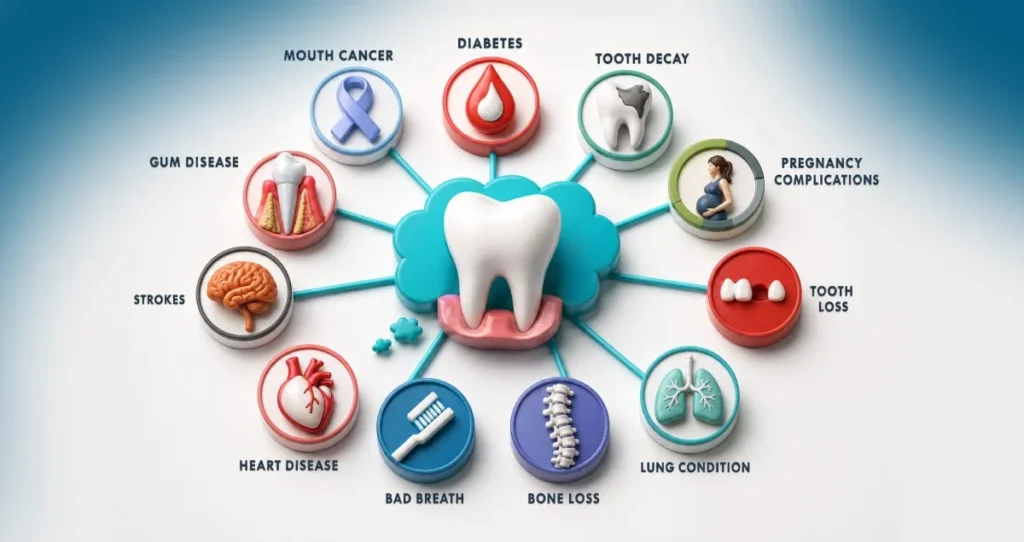
One reason for the growth of holistic dentistry is the strong connection between oral health and overall health. The mouth contains bacteria, blood vessels, nerves, and immune tissues, and it is also where digestion begins. If you have gum disease or a dental infection, the effects can extend beyond the mouth.
Research Facts
According to the CDC, gum disease is an inflammation and infection of the tissues that hold the teeth. It also states that gingivitis can often be prevented and treated by maintaining good home care and getting professional cleanings.
Studies have also demonstrated that gum disease is connected with other conditions like diabetes. According to CDC reports, diabetes can make gum disease more severe and harder to treat, while gum disease can also make it more difficult to manage diabetes.
There can be links between oral health and overall health through inflammation, bacteria, immune response, blood sugar control, nutrition, and sleep quality. That’s why preventive dental care is about more than just a healthy smile.
Benefits of Holistic Dentistry for Modern Patients
Personalized Patient Care
Holistic dentists listen to you and take the time to understand your health history, sensitivities, concerns, goals, and preferences. This assists in developing treatment programs that seem understandable and tailored.
Prioritize Preventive Health
One of the biggest benefits of holistic dentistry is prevention. With holistic care, instead of waiting till pain or infection occurs, or till teeth are broken, regular checkups, early detection, gum maintenance, and improved home care are encouraged.
Reduced Exposure to Certain Materials
Certain patients would like to have either metal-free, mercury-free, or fluoride-free choices. Holistic dentists will be able to discuss options and suggest materials that are safe, effective, and long-lasting.
Whole-Body Wellness Support
Holistic dentistry can have a positive impact on today’s patients, and these advantages may include educating patients about nutrition, airway health, gum health, sleep, and inflammation.
Comfortable Patient Experience
The reason many patients prefer holistic care is their desire for a calm, respectful, and cooperative environment. One of the other significant benefits of holistic dentistry is that patients are more likely to feel involved in the decision-making process.
Is Holistic Dentistry Safe?
One of the common questions patients ask is, “Is holistic dentistry safe?” Holistic dental care can be safe and effective when provided by a highly trained and licensed dentist. The key is to choose a provider who takes a scientific approach to diagnosis, explains treatment options clearly, and does not rely on fear-based tactics.
Modern dental care already includes preventive dentistry, gum care, biocompatible materials, and minimally invasive treatments. Concerns may arise when a provider refuses necessary treatment for a valid clinical reason.
Who is Holistic Dental Care For?
Holistic dental care might be suitable for:
- Families looking for preventive services.
- Patients with allergies to certain materials.
- Wellness-conscious individuals.
- Patients who do not want to have a big incision.
- Individuals interested in gum health and the general well-being of the whole body.
- Patients who wish to learn more and make more informed decisions on their treatment.
- Patients who are somewhat nervous about dental care tend to be more relaxed, pleasant, and patient-oriented.
How to Choose the Right Holistic Dentist in Maple, Ontario
Here’s a checklist to consider when choosing a provider:
- Ensure that the dentist holds a valid license and has sufficient experience.
- Discuss materials used for fillings, crowns, and restorations.
- Keep an eye on modern dental technology.
- Read patient reviews.
- Ask about individualized treatment plans.
- Choose a clinic that clearly explains all available options.
Gillmore Medical Dental provides patient-focused dental services, including family dentistry, routine care, treatment planning, and preventive care in Maple, Ontario. This can help patients keep their oral health over the long term.
Wrap Up
Holistic dentistry is about oral health and overall health. It promotes patient education, biocompatible materials, minimally invasive care, personalized treatment planning, and prevention.
This approach to dentistry is becoming more popular as patients increasingly take a whole-body health perspective. Moreover, today’s patients want treatment that helps preserve the smile they’ve worked hard to achieve, while also being comfortable, safe, and supportive of overall health.
For personalized, patient-focused dental care, consider booking a dental appointment at Gillmore Medical Dental. Our team offers preventive care, routine dentistry, and tailored treatment planning to support long-term oral and overall wellness.
People Also Ask
What is holistic dentistry exactly?
Holistic dentistry is dental care that considers the connection between the mouth and the entire body. It focuses on prevention, oral health, material safety, and long-term wellness.
Is holistic dentistry scientifically supported?
Yes. Modern dental research backs up many aspects of holistic dentistry, including preventative care, gum disease treatment, minimally invasive dentistry, and the connection between oral and systemic health.
Are holistic dentists real dentists?
Yes. Holistic dentists are fully qualified, licensed dentists. The difference lies in their treatment philosophy and focus on whole-body wellness and preventive care.
Does holistic dentistry avoid fluoride completely?
Not always. Some holistic dentists discuss fluoride use based on a patient’s cavity risk, health requirements, and personal choices, while others offer fluoride-free alternatives.
What are biocompatible dental materials?
Biocompatible dental materials are materials designed to be safe and well-tolerated in the mouth. They may include composite resins, ceramics, and metal-free restorations.