

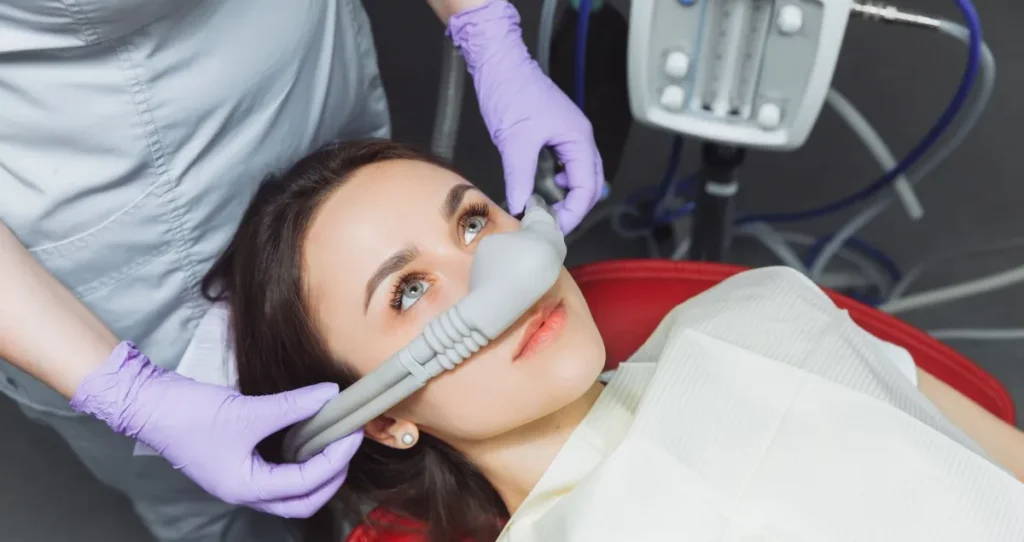
Many people experience dental anxiety, which can make even regular dental appointments seem too much. The thought of an appointment might cause anxiety, fear, or insomnia for some individuals. In contrast, others may avoid necessary procedures like cleanings, fillings, or extractions because of fears about pain, needles, or loss of control.
Although it may seem easier to delay dental care, avoiding treatment can lead to more serious oral health issues over time. Research shows that dental fear can significantly influence treatment decisions and overall well-being, often leading to delayed care.
At Gillmore Medical Dental, patients are welcomed in a calm and supportive environment designed to ease these concerns. For those who feel particularly anxious, sedation dentistry offers a safe and effective way to make dental visits more comfortable and stress-free. This guide will help you understand the causes of dental anxiety, how sedation dentistry works, what to expect during treatment, and when it may be the right choice for you.
What Causes Dental Anxiety?
Understanding what triggers dental anxiety can help patients realize they are not alone in their feelings. Fear of the dentist is not a personal weakness or shortcoming; it is a genuine and common concern that many people experience.
These feelings often develop from past negative experiences, heightened sensitivity to sounds or sensations in the dental environment, or even recent stressful events.
Common causes include:
- Worry about the pain linked with the procedure.
- Failure to attend the dentist due to negative experiences as a child or adult.
- Fear of needles, drilling, or dental instruments.
- Embarrassment due to teeth, gums, or breath.
- Sounds, smells, bright lights, or pressure in the mouth.
- Sense of stuckness, pressed for time, lack of control.
- Stressed by the uncertainty.
Many nervous patients experience anxiety before the visit. They might think of the worst-case scenario, even though dental care is much better today than they thought it would be.
Understanding the causes of dental fear also assists the dental team in selecting appropriate strategies to ease anxiety.
What is Sedation Dentistry?
The use of a well-selected drug to ensure a patient is calm, relaxed, and comfortable during dental treatment. The patients may feel relaxed, light, drowsy, or in a semi-sleep condition, depending on the type used, while under constant supervision of professional staff.
Common types include:
1. Nitrous Oxide
The nitrous oxide, or laughing gas, is inhaled using a small nose mask. It works quickly, has a calming effect on the nerves, and often goes away soon after treatment.
2. Oral Sedation
Before the appointment, oral sedation involves the use of conscious sedation. It can help you relax more deeply and is helpful for longer visits or mild dental phobias.
3. IV Sedation
IV sedation is administered via a vein, and this means the doctor can make adjustments to the level of relaxation during the procedure. It can be appropriate for the following: high-level anxiety, complicated procedures, and patients with significant dental phobias.
Some patients wonder what type of patients are best suited for sedation dentistry. It can be beneficial to people who have dental anxiety, a strong gag reflex, sensitive teeth, a need for a lot of treatment, fear of needles, or a need to sit still.
How Sedation Dentistry Eases Dental Anxiety for Nervous Patients
Sedation Dentistry Benefits for Nervous Patients
Sedation can make a lot of difference to the dental experience. Patients are not usually worried and tense while sitting in the chair, but instead feel calm, not in fear, and are more likely to make it through the treatment.
It helps by:
- Minimizing fear and nervousness prior to and during care.
- Inducing a relaxed or semi-sleep state.
- Minimizing pain perception when administered with a local anesthetic.
- Changing short treatments into longer ones.
- Providing support to patients requiring more than one procedure.
- Helping the child feel more confident for future appointments.
A positive dental experience can change a person’s mindset about dentistry for some. This can encourage them to come back for routine services rather than when they are in pain or infected.
Benefits of Sedation Dentistry at Gillmore Medical Dental
Comfort, communication, and a patient-centered approach are the core values of Gillmore Medical Dental. It is important for patients with anxiety or phobias. A supportive team and peaceful setting can help treatment feel more manageable from the initial consultation.
Benefits include:
- Safe supervision, medical care.
- Experienced dental professionals.
- A comfortable and stress-free setting.
- Options for simple and complex treatments.
- Care of patients who are nervous, anxious, and phobic.
- Clear explanation before treatment (CEBT).
Completion of the procedure is not the aim. It’s to make the patient feel valued, educated, and empowered when it comes to oral health.
What to Expect During Treatment
Treatment begins with a consultation where the dentist reviews your medical history, medications, anxiety level, and dental needs to choose the right sedation option. You may be given simple instructions before your visit, such as guidelines for eating, drinking, and arranging transportation.
During the procedure, you will feel relaxed while the dental team monitors you closely to ensure safety and comfort. Many patients feel calm throughout and may not remember much of the treatment afterward, depending on the type of sedation used.
After treatment, you will receive aftercare instructions. If deeper sedation is used, you may need someone to drive you home.
Is Sedation Dentistry Safe?
Sedation is safe when it is properly planned, administered, and monitored by trained personnel. Your health is evaluated first, the appropriate treatment method is selected, and your vital signs are monitored during the treatment.
Side effects might include grogginess, mild nausea, drowsiness, or dry mouth. These effects tend to fade away. Patients must communicate honestly about medical conditions, allergies, medications, and past reactions to sedatives for safety.
Wrap Up
Dental anxiety should never stand in the way of maintaining good oral health. Patients may have a pleasant, stress-free therapy catered to their specific needs with modern sedation dentistry.
From mild relaxation to deeper sedation, these techniques help make even complex procedures feel less frightening and easier to handle.
At Gillmore Medical Dental, your comfort and care are always the top priority. Our experienced team provides safe, professional dental treatments in Maple, Ontario, in a calm and supportive environment, ensuring every patient feels confident and well cared for throughout their visit.
If you’re struggling with dental fear or have been delaying treatment, don’t wait any longer. Book your appointment today with Gillmore Medical Dental for expert consultation and personalized sedation options designed to make your dental experience smooth, safe, and comfortable.
People Also Ask
Is sedation dentistry safe for everyone?
Not always. It depends on your overall health, medications, age, and treatment needs. A dentist will assess you before recommending sedation.
How long does sedation dentistry last?
It varies by type. Nitrous oxide wears off quickly, while oral or IV sedation can last several hours.
Will I be asleep during sedation dentistry?
Usually not. Most patients are relaxed and drowsy, though some may not remember the procedure afterward.
What causes dental anxiety in most patients?
Common causes include fear of pain, needles, past unpleasant events, dental noises, embarrassment, and lack of control.
How do I know if I need sedation dentistry?
If fear stops you from booking appointments, completing treatment, or staying calm during dental care, sedation dentistry may be helpful.