

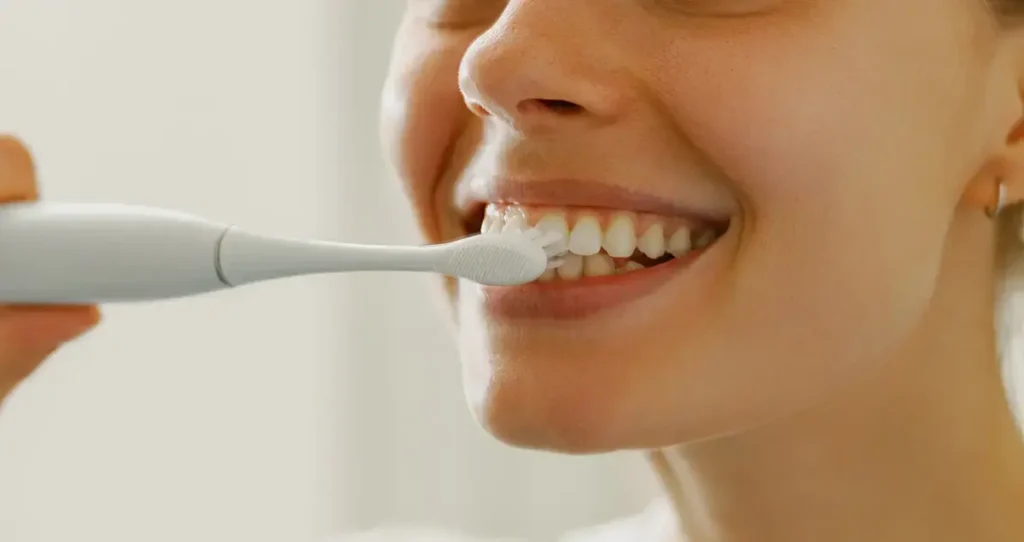
In some cases, teeth do not remain precisely aligned throughout life. Daily habits, gum disease, aging, and even small injuries can cause teeth to move slowly over time. Many believe tooth movement occurs only in infancy or after braces, but in reality, it can happen at any age.
Apart from cosmetic reasons, maintaining alignment is crucial for general oral health. Unbalanced teeth can cause jaw pain, difficulty chewing, uneven wear, and an increased risk of cavities and gum disease. Consistent dental care and frequent check-ups are essential to prevent tooth movement and avoid long-term dental issues.
In this blog, we’ll share 6 simple and practical ways to keep your teeth in place while maintaining overall dental health.
1. Maintain Good Oral Hygiene
Maintaining excellent dental hygiene is among the most effective ways to prevent tooth movement. Strong teeth and healthy gums provide the foundation necessary to maintain teeth in their proper positions.
Essential Every Day Habits
Simple oral care habits include:
- Twice daily fluoride toothpaste brushing.
- Floss once a day to remove plaque from between your teeth.
- Employing an antibacterial mouthwash as advised by your dentist.
Fluoride toothpaste nourishes teeth and guards against decay. If cavities and gum disease set in, they could compromise the building blocks meant to support your teeth.
How Oral Care Stops Tooth Displacement
Gum disease often results from improper oral hygiene. Gum tissue begins to stretch away from the teeth as it turns infected and inflamed. Over time, this can cause your teeth to become loose or shift.
Good oral hygiene helps you to preserve not just the teeth but also the gums that support them.
2. Regular Dental Checkup
Preserving alignment and avoiding major dental issues depend mostly on regular dental checkups.
Early detection of problems, including:
- Cavities
- Gum disease
- Biting problems
During these visits, dental specialists perform thorough cleanings to remove tartar and plaque buildup. This helps maintain strong gums and protects teeth from structural damage.
Benefits of Routine Dental Checkups
Routine dental checkups help:
- Find out problems before they become worse.
- Avoid gum disease from weakening tooth support.
- Maintain correct bite alignment.
Every six months, visits to your dentist help ensure that minor problems are fixed before they cause teeth to move.
3. Wear A Night Guard If Needed
Many people unintentionally grind or clench their teeth while they sleep, a disorder known as bruxism. Over time, this practice may progressively move teeth out of alignment and erode enamel.
A protective device worn during sleep to stop grinding damage is called a night guard.
How Night Guards Can Protect Your Teeth
Night guards offer assistance by means of:
- Reducing jaw and teeth pressure.
- Stopping enamel wear.
- Saving teeth from shifting caused by grinding.
Custom night guards offer the best protection since they are made to match the precise shape of your teeth.
4. Avoid Harmful Practices
Daily behaviours can also affect tooth alignment. Many individuals develop subconscious habits that gradually damage their teeth.
General Habits Affecting Teeth
Among the behaviours that can make teeth move are:
- Thumb sucking.
- Nails chewing.
- Pens or pencils nibbling.
- Too much teeth clenching.
These activities put constant pressure on the teeth, maybe slowly altering their orientation.
Breaking Bad Habitual Behaviour
Should you find yourself exhibiting these behaviours, substitute them with better alternatives. For instance:
- Chew sugar-free gum in place of pens.
- Use stress-control methods to reduce clenching.
Slight changes to your everyday routine can greatly help protect your dental alignment over time.
5. Think About Orthopedic Treatments
Orthodontic treatments are not exclusively for adolescents. Many adults seek professional orthodontic solutions to correct alignment problems and prevent further movement.
Standard Orthodontic Alternatives
Among the most successful therapies are:
- Conventional orthodontic devices.
- Transparent aligners like Invisalign.
- Retainers to help retain alignment.
These treatments use controlled pressure to reposition teeth into their proper alignment slowly.
Preventive Orthodontics
Preventive orthodontic treatment can also help to steady teeth following treatment. For instance, retainers prevent teeth from drifting back to their original positions.
For cosmetic enhancements and long-term oral health, dental clinics such as Gillmore Medical Dental offer expert orthodontic treatments made for both purposes.
Consulting an orthodontic specialist can help you avoid problems later on if you notice teeth shifting or crowding.
6. Protect Teeth During Sports
One of the major sources of tooth displacement is sports injuries. Contact sports, including football, basketball, and hockey, increase the risk of dental damage.
A strong shock might misalign, fracture, or loosen teeth.
Importance of Mouthguards
Mouthguards lower the risk of injury by forming a protective barrier that absorbs impact.
Wearing mouthguards has several advantages:
- Avoiding fractured teeth.
- Protecting the jaw and gums.
- Lowering of the tooth displacement hazard.
Custom-fitted mouthguards provide the best protection because they fit comfortably and stay in place during activity.
To maintain proper alignment and protect their teeth, athletes of all ages should wear mouthguards.
Wrap Up
Good habits, regular care, and professional guidance are essential for strong, healthy teeth. While teeth can naturally shift over time, the six preventive measures outlined above can help preserve your smile.
Being proactive about your oral health helps keep your teeth strong, aligned, and in excellent condition for years to come. If you have concerns about tooth alignment or long-term dental health, professional treatment can make a significant difference.
Schedule a consultation with Gillmore Medical Dental today to keep your teeth and maintain a beautiful, properly aligned smile.
Frequently Asked Questions
How often should I visit the dentist to keep my teeth in place?
Most dental experts recommend visiting your dentist every six months for checkups and cleanings to help keep your teeth in place.
Can teeth shift naturally as I age?
Yes, teeth can move over time as a result of natural aging, modifications in jaw structure, and everyday activities.
Do night guards actually work to stop teeth movement?
Yes. Night guards reduce the risk of enamel wear and tooth movement and protect teeth from grinding stress.
Can teeth really move as a result of poor dental hygiene?
Yes, shifting or loosening may result from gum disease caused by poor oral hygiene, which weakens the tissues that support the teeth.
Which orthodontic treatments are ideal for adults?
For adults looking to maintain or repair the alignment of their teeth, clear aligners, braces, and retainers are often utilized as orthodontic treatments.