

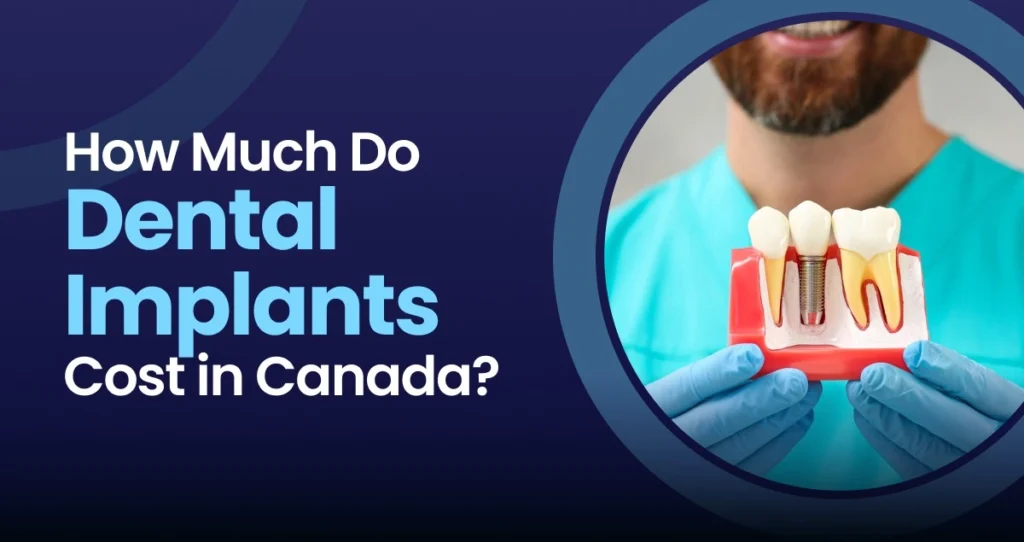
Losing one or more teeth can affect much more than your appearance. Missing teeth may make it harder to eat and speak comfortably, affect your confidence, and contribute to changes in the jawbone over time. Dental implants are a long-term tooth replacement option designed to restore both the function and appearance of your smile.
One of the first questions patients ask is, “How much do dental implants cost in Canada?” While it’s natural to want a straightforward price, the total cost can vary significantly from one patient to another.
Several factors can influence the overall dental implants cost, including the number of implants needed, the condition of your jawbone and gums, the type of restoration selected, the materials used, and whether additional procedures such as bone grafting or tooth extraction are required.
At Gillmore Medical Dental in Maple, Ontario, we help patients understand their dental implant options and develop personalized treatment plans based on their oral health, goals, and needs.
In this guide, you’ll learn how much dental implants cost in Canada in 2026, what factors affect the price, what may be included in your treatment, whether dental insurance can help cover the cost, and how to make it affordable.
How Much Do Dental Implants Cost in Canada?
The overall cost of dental implants depends on your unique treatment plan. Some patients only require a single implant, while others may need several implants or full-mouth restoration.
In Canada, the price for a single dental implant can vary widely based on how complex the treatment is and what services are included. It’s important to look at the whole process, not just the implant itself.
Average Dental Implants Cost
| Implant Type | Cost Range (CAD) | Longevity |
| Single Implant | $3,000 – $6,000 | 20–30+ years |
| All-on-4 (per arch) | $20,000 – $30,000 | 15–25+ years |
| Traditional Full Arch | $30,000 – $45,000 | 25+ years |
Note: These numbers are just general estimates. Your own treatment plan may be different based on your oral health and what you need restored.
What Factors Affect the Cost of Dental Implants?
Many factors can affect the cost of dental implants, which is why treatment can differ for each person.
1. Number of Implants Needed
Replacing one missing tooth is very different from replacing multiple teeth or restoring an entire arch.
For example:
- A single missing tooth may require one implant and one crown.
- Multiple missing teeth may be restored with implant-supported bridges.
- Full-mouth restoration often involves strategically placed implants supporting an entire arch of replacement teeth.
Naturally, the number of implants required has a significant impact on the overall cost.
2. Type and Quality of Implant Materials
Dental implants consist of several components.
These include:
- Titanium or ceramic implant post
- Abutment
- Custom dental crown
The type of implant system and materials used can change the price. Your dentist will suggest durable materials that work well and fit your needs.
3. Additional Procedures Before Implant Placement
Not every patient is immediately ready for implant surgery.
Some patients require preparatory treatment such as:
- Tooth extraction
- Bone grafting
- Gum disease treatment
- Sinus lift procedures for upper back teeth
These procedures help create a healthier and more stable foundation for successful implant placement.
4. Dentist’s Experience and Technology Used
Another important factor is your dental provider’s experience.
Clinics that use advanced digital imaging, 3D treatment planning, and modern surgical technology can evaluate implant placement more accurately and improve treatment precision.
Experienced implant providers also develop personalized treatment plans designed to maximize long-term success.
What Is Included in the Cost of a Dental Implant?
Many patients assume they’re paying only for the implant itself.
In reality, implant treatment often includes several professional services, including:
- Initial consultation
- Comprehensive dental examination
- Digital X-rays or CBCT imaging
- Customized treatment planning
- Implant placement procedure
- Abutment placement
- Custom dental crown
- Follow-up appointments
- Healing assessments
Every treatment plan is different, so your dentist will go over exactly what should be included before you start.
Does Insurance cover Dental Implants in Canada?
Insurance coverage for dental implants can vary a lot.
Some dental insurance plans might cover parts of the treatment, like exams, X-rays, extractions, or crowns. Others may offer little or no coverage for implants.
Before you start treatment, it’s helpful to:
- Review your insurance policy.
- Contact your insurance provider.
- Ask your dental office to help verify available benefits.
Are Dental Implants Worth the Cost?
For many people, dental implants offer benefits that go far beyond looks.
Advantages include:
- A natural-looking smile.
- Improved chewing ability.
- Greater comfort compared to removable dentures.
- Support for healthy jawbone structure.
- Long-lasting tooth replacement.
- Improved confidence when eating and speaking.
Unlike some other options, implants replace the tooth root and the visible part of the tooth. This helps keep your jawbone healthy and reduces bone loss after losing a tooth.
Many people find that this long-term stability makes implants a good investment for their oral health and quality of life.
How to Make Dental Implants More Affordable
Even though implant treatment is tailored to you, there are ways to help manage the cost.
Options may include:
- Monthly payment plans.
- Using available dental insurance benefits.
- Financing options offered through the dental practice when available.
- Completing treatment in carefully planned phases based on your individual needs.
Your dental team can go over these options with you and help create a treatment plan that fits your needs.
Why Choose Gillmore Medical Dental for Dental Implants in Maple, Ontario?
Choosing the right provider is an important part of successful implant treatment.
As a trusted dental clinic in Maple, Ontario, Gillmore Medical Dental combines personalized care with modern dental technology to help patients restore healthy, functional smiles.
Our team provides:
- Comprehensive implant consultations.
- Personalized treatment planning.
- Advanced digital diagnostics.
- Patient-focused care.
- Ongoing follow-up throughout treatment.
We make sure to answer your questions, explain each step, and help you make informed choices about your oral health.
Conclusion
Dental implants are a strong and lasting way to replace missing teeth.
While costs depend on your situation, knowing what affects the price can help you make the best choice for your oral health. A personalized consultation is the best way to determine the most appropriate treatment plan and receive an accurate estimate based on your needs.
If you’re thinking about dental implants, schedule an appointment with us at Gillmore Medical Dental today. We’re here to guide you through every step of dental implants and help you restore your smile with confidence.
FAQs
What is the average cost of one dental implant in Canada?
The average cost of a single complete dental implant in Canada ranges from $3,000–$6,000+ CAD per tooth. It may vary based on the dental needs, materials used, and whether additional procedures are required.
Why are dental implants more expensive than dentures or bridges?
Dental implants are more expensive because they involve surgical placement, advanced planning, custom restorations, and materials designed to integrate with the jawbone and provide long-term stability.
How many hours does dental implant surgery take?
A single implant procedure commonly takes about one to two hours. Additionally, treatment time may vary because it depends on the number of implants being placed and the complexity of the case.
Can I have all my teeth removed and replaced with implants on the same day?
Yes, some patients may be candidates for having teeth removed and temporary implant-supported teeth placed on the same day. Eligibility depends on your bone health, oral condition, and dentist’s evaluation.
What happens if I delay getting a dental implant?
Delaying a dental implant may lead to jawbone loss, shifting of nearby teeth, and changes in your bite, which can make future treatment more complex.