

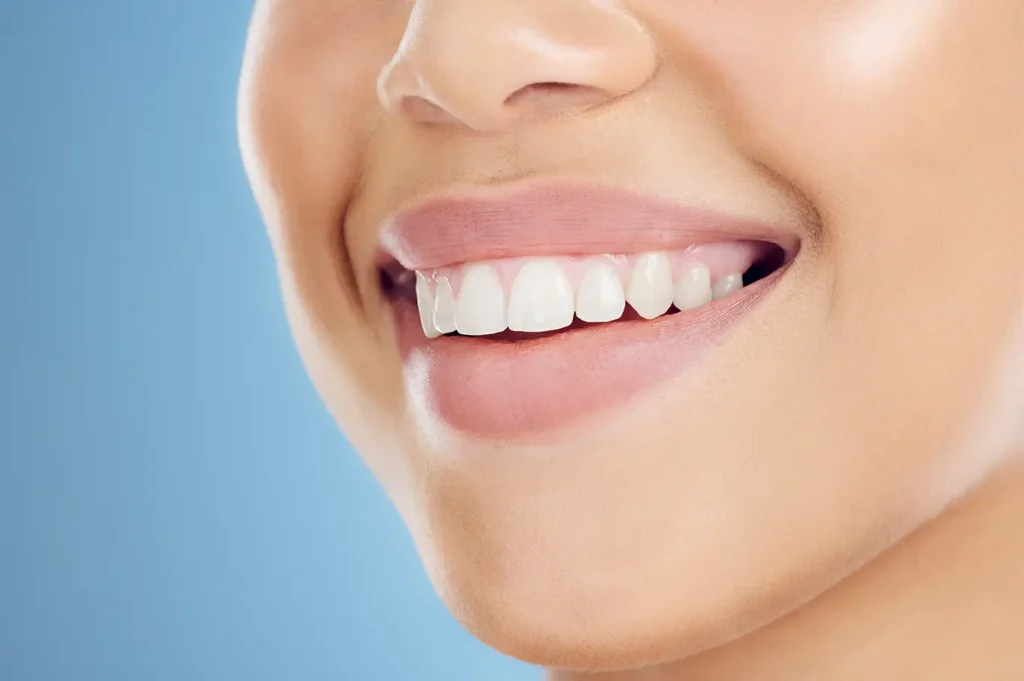
Have you just undergone a professional teeth whitening treatment and now have a perfect smile? But how can you maintain that brightness over the long term? Teeth whitening gives immediate results, and proper follow-up care is essential to keep your teeth looking their best.
Moreover, teeth may become dull with everyday routine. Enamel can be stained by coffee, tea, red wine, and even by some healthy foods such as berries. Other causes of discoloration are smoking, lack of oral care, and aging.
According to American Dental Association studies, over time, enamel absorbs pigments from foods and beverages, which can darken your smile.
The good news? With the right dental routines, you can extend and enhance your whitening results.
In this blog, we’ll share the top 6 expert, dentist-approved tips on how to keep your teeth white after whitening, using simple methods you can easily follow in your daily routine.
Tip 1: Avoid Teeth-Staining Foods and Drinks
Staining food and beverages are among the greatest enemies of your whitened smile.
Common culprits include:
- Coffee and tea
- Red wine
- Dark berries (blueberries, blackberries)
- Tomato-based sauces
- Cola and dark sodas
These products include chromogens, pigments that adhere to enamel and tannins, which worsen staining.
Best Practices To Minimize Staining
- Drink dark liquor with a straw.
- Have water in your mouth after meals.
- Brush after 30 minutes of eating acidic or staining food.
Tip 2: Maintain a Consistent Oral Hygiene Routine
Maintaining your whitening requires a good daily routine. Consistency in your oral hygiene is more important than intensity.
Daily Essentials
- Clean your teeth at least twice a day with a whitening toothpaste.
- Brush every day to remove the plaque and debris between the teeth.
- Apply a mouthwash with antibiotics.
Whitening toothpaste helps remove surface stains before they set, while flossing reaches those hard-to-clean areas to keep your smile fresh and healthy.
By maintaining a regular oral hygiene routine, you are not only preserving your teeth’s whiteness but also supporting your overall health.
Tip 3: Use Whitening Touch-Up Products
Even with excellent habits, your whitening may gradually fade. This is where touch-up products can help.
Popular options:
- At-home whitening trays
- Whitening pens
- Dentist-provided maintenance kits
These products help give your smile a fresh, bright boost.
Best Practices
- Follow all instructions carefully.
- Avoid excessive use, as it can damage enamel.
- Always consult your dentist before changing products or providers.
When applied properly, touch-up products can lengthen the outcomes by months.
Tip 4: Quit or Reduce Teeth-Staining Habits
The longevity of your whitening largely depends on your lifestyle choices.
Key Habits to Avoid
- Smoking or vaping.
- Frequent consumption of dark sodas.
- Excessive alcohol intake, especially red wine.
Nicotine and tar are among the most aggressive staining agents. Even occasional smoking can gradually reverse whitening effects.
Healthier Options
- Herbal teas in place of black tea.
- Bubbling water as an alternative to cola.
Quitting these habits will not just benefit your smile but also aid in long-term oral and overall health.
Tip 5: Drink Plenty of Water
One of the simplest and most effective ways of keeping white teeth is by means of water.
How It Works
- Washes away stain-causing particles.
- Counteracts the acid in the mouth.
- Supports saliva production.
It’s beneficial to make a habit of drinking water after consuming staining foods or beverages. This practice is especially important for maintaining the results of your whitening treatment.
Tip 6: Schedule Regular Dental Check-Ups
Regular dental visits are essential for long-term whitening. Professional cleanings offer several benefits:
- Remove surface stains and tartar.
- Brighten teeth for a more polished appearance.
- Detect early signs of discoloration or decay.
Most dentists recommend a check-up every six months. For those who have undergone professional whitening, these cleanings help maintain results and prevent buildup that can dull enamel.
Think of it as maintenance, not just for appearance, but for overall dental health.
Additional Pro Tips for Long-Lasting Whitening
To go the extra mile, include the following simple practices:
- Chew sugar-free gum: Stimulates saliva, which naturally helps clean teeth.
- Consume fiber-rich fruits and vegetables: Apples, carrots, and celery act as natural scrubbers.
- Limit acidic foods: Excess acid weakens enamel, making it easier for stains to set.
By incorporating these small lifestyle changes, your whitening results can last longer.
Final Thoughts
Maintaining a bright, white smile after professional whitening is all about consistency, smart habits, and proper care. By avoiding staining foods, following a solid oral hygiene routine, using touch-up products responsibly, reducing harmful habits, staying hydrated, and scheduling regular dental check-ups, you can extend the life of your whitening results and keep your teeth looking their best.
At Gillmore Medical Dental, our expert team provides personalized guidance and professional teeth whitening services in Maple, Ontario, to help you preserve your smile. Book your appointment today to receive professional advice and ensure your teeth stay healthy, bright, and beautiful for years to come.
FAQs
How many days are my teeth going to remain white after the whitening?
Depending on your habits and oral care routine, results usually take a few months to a maximum of three years.
Will at-home whitening strips keep my smile whitened?
Yes, when used correctly. Kits prescribed by dentists tend to be more effective and safe than generic products.
Are there foods that can be used to keep teeth white?
Yes. Apples and carrots are examples of crunchy fruits and vegetables that can naturally clean teeth and eliminate stains.
How often do I need to touch up my whitening?
The majority of individuals do touch-ups every 3-6 months, but your dentist can suggest how often you should have them.
Can teeth be whitened more than once a year?
It is safe when performed under the supervision of a professional. Self-prescription of whitening products may harm enamel or result in sensitivity.