

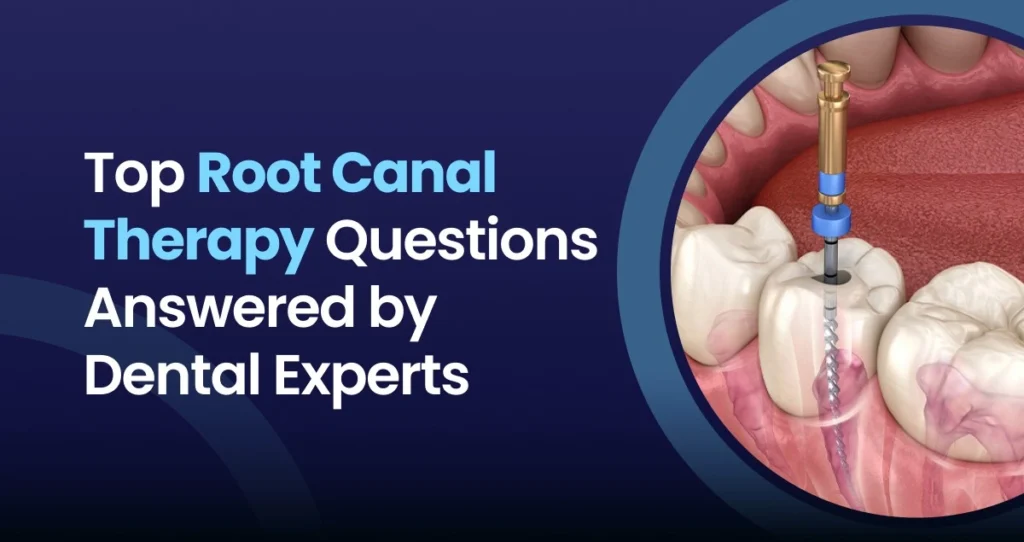
Hearing the words “root canal” can make many people nervous.
For years, root canal treatment has been surrounded by myths and misunderstandings, leading patients to expect discomfort, lengthy procedures, and complicated recovery periods.
The reality is quite different. Modern dentistry has made root canal treatment more comfortable, efficient, and predictable than ever before.
Understanding the procedure can help ease anxiety and allow patients to make the best decisions about their oral health.
This guide answers some of the top root canal therapy questions patients ask about treatment. Whether you’re experiencing tooth pain or want to learn more about the procedure, the information below will help you understand what to expect.
What Is Root Canal Therapy?
It is a dental procedure that treats infection or damage inside a tooth. Each tooth has a soft tissue in the center called the pulp, which has nerves and blood vessels. If this pulp becomes infected due to decay, injury, or deep cracks, it can cause pain and threaten the tooth.
During the procedure, the dentist removes the infected or damaged pulp, cleans and disinfects the inside of the tooth, and seals the root canals to stop future infection.
The main goal of this therapy is to save your natural tooth rather than remove it. Keeping your tooth helps you chew properly, supports nearby teeth, and benefits your long-term oral health.
Many people still think root canals are painful. In fact, the process is meant to relieve pain from infection, not cause it.
What Are the Signs I Need Root Canal Therapy?
Recognizing dental problems early can make treatment simpler and prevent complications.
Common symptoms include:
- Persistent tooth pain that does not go away.
- Sensitivity to hot or cold temperatures that lingers after the source is removed.
- Swollen, tender, or inflamed gums.
- Tooth discoloration or darkening.
- Pain when chewing or biting.
- A recurring pimple-like bump on the gums.
- Frequent dental infections or abscesses.
It’s important to remember that not every infected tooth causes noticeable symptoms right away.
Some patients experience only mild discomfort while others may have no symptoms until the infection becomes more advanced.
Early diagnosis allows dentists to treat the problem before it spreads and causes further damage.
Top Root Canal Therapy Questions Patients Ask
Does Root Canal Therapy Hurt?
This is one of the most common questions patients ask about root canal therapy.
Modern root canal treatment is normally no more uncomfortable than receiving a dental filling. Local anesthesia is used to numb the treatment area, helping ensure patients remain comfortable throughout the procedure.
In most cases, the pain people associate with root canals actually comes from the infection itself, not the treatment.
After the procedure, mild soreness or sensitivity may occur for a few days. This discomfort is usually manageable with over-the-counter pain relievers and gradually improves as the area heals.
How Long Does Root Canal Therapy Take?
The answer depends on several factors, including the location of the tooth, the complexity of the root canal system, and the severity of the infection.
Simple cases may be completed in a single appointment lasting approximately 60 to 90 minutes. More complex cases may require two visits.
During the appointment, your dentist will:
- Examine the tooth.
- Take diagnostic X-rays.
- Administer local anesthesia.
- Remove infected tissue.
- Clean and shape the root canals.
- Seal the treated area.
Your dentist will explain the treatment timeline based on your specific situation.
How Much Does Root Canal Therapy Cost?
Another common concern is cost. There is no single answer because treatment costs vary depending on several factors.
These may include:
- The location of the affected tooth.
- The complexity of the case.
- Whether a crown is needed afterward.
- Insurance coverage and benefits.
- Additional restorative procedures.
Although root canal treatment requires an investment, saving a natural tooth is often more affordable in the long run than extraction followed by replacement options such as bridges, implants, or dentures.
Your dental team can provide a detailed estimate after evaluating your condition.
Is Root Canal Therapy Better Than Tooth Extraction?
Whenever possible, dentists prefer to save natural teeth.
- Natural teeth provide the best chewing efficiency and help maintain proper alignment within the mouth.
- They also preserve jawbone health and reduce the likelihood of neighbouring teeth shifting out of position.
- While extraction may be necessary in certain situations, preserving a tooth through root canal treatment is generally considered the preferred option.
What Happens During the Procedure?
A typical root canal procedure involves the following steps:
- Examination and diagnostic X-rays.
- Local anesthesia to numb the treatment area.
- Creation of a small opening in the tooth.
- Removal of infected or damaged pulp.
- Cleaning and disinfecting the root canals.
- Filling and sealing the canals.
- Placement of a filling or crown when necessary.
The procedure is carefully performed to eliminate infection while preserving natural tooth structure as much as possible.
Root Canal Therapy Questions About Recovery and Aftercare
What Should I Expect After Treatment?
Most patients return to their routine shortly after the treatment. Some mild tenderness or sensitivity may occur for a few days, particularly when chewing. This is a normal part of the healing process and usually improves quickly.
Your dentist may recommend a follow-up dental visit to monitor healing and complete any necessary restorative work.
What Food Can I Eat After Root Canal Therapy?
Good options include:
- Yogurt
- Scrambled eggs
- Soup
- Mashed potatoes
- Oatmeal
- Smoothies
Stay away from crunchy, hard, or sticky foods that can place unnecessary pressure on the treated tooth, especially if a permanent crown has not yet been placed.
How Long Does a Root Canal Last?
Root canal therapy has the highest success rate when properly performed and maintained.
With good oral hygiene, regular dental visits, and appropriate restorative treatment, many root canal-treated teeth can last for decades.
A dental crown may also help protect the treated tooth from future damage and improve its longevity.
When Should You Contact a Dentist?
If you experience severe tooth pain, swelling, prolonged sensitivity, or signs of infection, it’s important to contact a dentist promptly.
Delaying treatment can allow infection to spread deepest into the tooth and nearby tissues, potentially leading to more extensive treatment needs.
Why Choose Gillmore Medical Dental for Root Canal Therapy?
At Gillmore Medical Dental, patient comfort and quality care are at the center of everything we do.
Our experienced dental team uses advanced diagnostic tools and modern treatment techniques to provide accurate diagnoses and effective root canal therapy.
We understand that many patients feel anxious about dental procedures, which is why we take the time to explain every step and answer questions thoroughly.
From diagnosis to restoration, our goal is to help patients maintain healthy, functional smiles through personalized care and proven dental treatment solutions.
Conclusion
Root canal therapy is the safest and most effective way to eliminate infection, relieve discomfort, and preserve your natural tooth. With early diagnosis and the right treatment, you can avoid more complex dental problems and maintain a healthy, functional smile for years to come.
At Gillmore Medical Dental, we offer comprehensive restorative dentistry services in Maple, Ontario, designed to repair damaged teeth, restore oral function, and improve your overall dental health.
Whether you need root canal therapy, dental crowns, fillings, or other restorative treatments, our experienced team provides personalized care using advanced techniques and modern technology.
Book your consultation with Gillmore Medical Dental today and let us help restore your smile with trusted restorative dentistry solutions tailored to your needs.