

It often starts with something small.
It may be that your gums bleed when you brush, or you notice a little sensitivity when drinking cold water. These issues may seem easy to ignore, but they can quickly develop into more serious dental problems if left untreated.
The good news is that many oral health concerns are preventable. Regular dental appointments, a healthy lifestyle, and a consistent home care routine can all help maintain the health of your teeth and gums for many years.
In this guide, you’ll learn about the most common dental dangers, the habits that can put your oral health at risk, and practical tips on how to protect your smile every day.
Why It’s Important to Protect Your Smile
Your smile is about much more than appearance. Strong teeth and healthy gums are essential for eating comfortably, speaking clearly, and supporting your overall health.
Research continues to highlight the close relationship between oral health and general health. For example, gum disease has been associated with conditions like heart disease, diabetes, and several other health issues. Looking after your oral health is an important step toward protecting your overall well-being.
Putting off dental treatment can also lead to higher costs over time. A minor cavity that could be repaired with a simple filling may progress to the point where a root canal or even a tooth extraction is needed. Preventive dental care is typically more comfortable, less invasive, and more affordable than treating serious oral health problems.
At Gillmore Medical Dental, preventive dentistry is at the core of our patient care philosophy. Regular exams and cleanings help identify concerns early, allowing for timely treatment before they become more serious.
Common Dental Dangers You Should Watch Out For
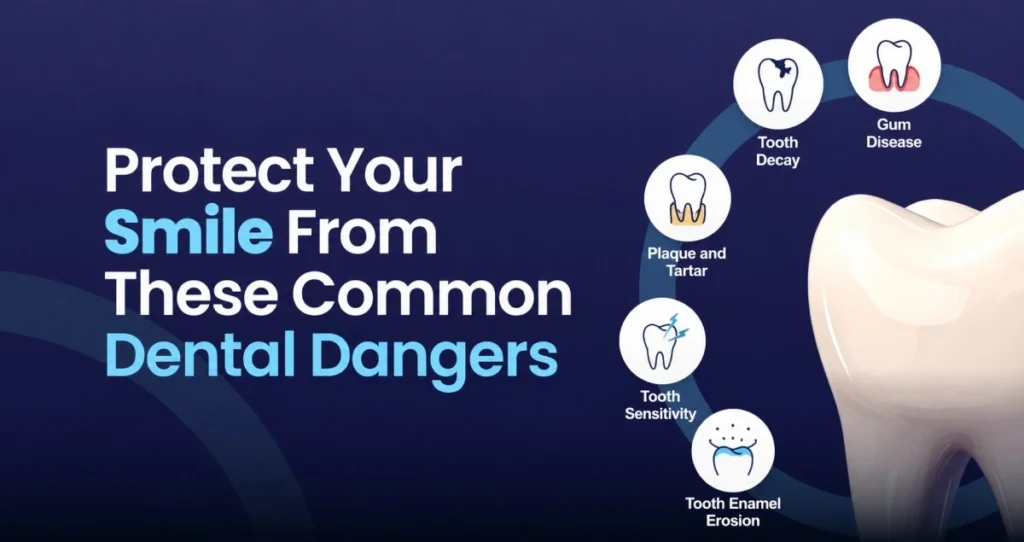
Tooth Decay and Cavities
Tooth decay is one of the most common oral health issues affecting both adults and kids.
It develops when bacteria in the mouth feed on sugars from drinks or food, producing acids that gradually wear away tooth enamel.
Early signs of cavities may include:
- Sensitivity to sweets, hot, or cold foods.
- Small dark spots on the teeth.
- Mild tooth discomfort.
- Visible holes in a tooth.
Brushing twice a day, reducing sugary snacks, and visiting your dentist regularly can significantly reduce your risk of cavities.
Gum Disease (Gingivitis and Periodontitis)
Healthy gums are the essential support system that keeps your teeth strong and stable.
Gum disease often starts as gingivitis, which may cause swollen, red gums that bleed when you brush or floss. If left untreated, it may further progress to periodontitis, a more advanced form of gum disease that damages the tissues and bone that hold your teeth in place. In severe cases, gum disease is one of the most common causes of tooth loss in adults.
Plaque and Tartar Buildup
Plaque is a soft, sticky film of bacteria that builds up on your teeth throughout the day.
When plaque isn’t removed by brushing and flossing every day, it hardens into tartar. Unlike plaque, tartar cannot be cleaned away at home and must be removed by a dental professional during a routine cleaning.
Excess tartar increases the risk of cavities, gum disease, and persistent bad breath, making regular cleanings an important part of preventive dental care.
Tooth Sensitivity
If sipping hot coffee or enjoying ice cream causes discomfort, tooth sensitivity may be the reason.
Sensitivity often develops because of:
- Worn tooth enamel
- Gum recession
- Tooth decay
- Cracked teeth
- Teeth grinding
Although sensitivity is common, it should never be ignored. A dental examination can help identify the underlying cause and recommend appropriate treatment.
Tooth Enamel Erosion
Tooth enamel is the hard outer layer that protects your teeth.
Over time, acidic foods, soft drinks, sports beverages, and even acid reflux can gradually wear away enamel. Once enamel is lost, it cannot grow back.
Enamel erosion may lead to:
- Increased sensitivity
- Yellowing teeth
- Chipped or worn edges
- Greater risk of cavities
Limiting acidic foods and practicing good oral hygiene can help preserve enamel and maintain a healthy smile.
Everyday Habits That Can Damage Your Smile
Many daily habits can affect your oral health without you realizing it.
Some of the biggest contributors include:
- Brushing too aggressively, which can wear down enamel and irritate gums.
- Skipping flossing and allowing plaque to build between teeth.
- Frequently consuming sugary snacks and beverages.
- Smoking or using tobacco products.
- Grinding your teeth, especially while sleeping.
Making small adjustments to these habits can have a lasting impact on your oral health.
How to Protect Your Smile Every Day
Developing healthy routines is one of the best ways to prevent future dental problems.
Here are a few simple steps you need to follow:
- Brush your teeth twice a day by using fluoride toothpaste.
- Floss daily to remove plaque between teeth.
- Use an antibacterial mouthwash for additional protection.
- Drink plenty of water throughout the day.
- Eat a balanced diet that supports healthy teeth and gums.
- Limit sugary and acidic foods whenever possible.
- Wear a custom night guard if you grind your teeth while sleeping.
Knowing how to protect your smile every day doesn’t require complicated routines. Consistency is what makes the biggest difference over time.
Professional Care to Help Protect Your Smile
Even excellent home care cannot replace regular dental visits.
Routine checkups allow your dentist to identify problems before they become painful or expensive to treat. Professional cleanings definitely remove plaque and tartar that brushing alone cannot eliminate.
Preventive dental care may also include:
- Comprehensive oral examinations
- Digital dental X-rays
- Fluoride treatments
- Dental sealants for cavity prevention
- Personalized oral hygiene recommendations
These preventive services will help reduce the risk of future dental complications and support long-term oral health.
When to Visit a Dentist in Maple, Ontario
Some dental concerns shouldn’t wait until your next routine appointment.
Schedule a dental visit if you notice:
- Persistent tooth pain
- Ongoing tooth sensitivity
- Bleeding or swollen gums
- Chronic bad breath
- Visible cavities or tooth discoloration
- Loose teeth or changes in your bite
Even if you aren’t experiencing symptoms, routine dental checkups every six months remain one of the most effective ways to maintain healthy teeth and gums.
How Gillmore Medical Dental Helps Protect Your Smile
At Gillmore Medical Dental, preventive care is tailored to each patient’s unique needs.
Our experienced team focuses on early diagnosis, personalized treatment planning, and patient education to help prevent dental problems before they become more serious.
Whether you’re here for a routine dental cleaning, restorative treatment, or advice on improving your daily oral care, we take the time to create a personalized treatment plan to support your long-term oral health and smile.
Our commitment is to help every patient maintain a healthy, confident smile that lasts for many years.
Conclusion
Many of the most common dental problems begin quietly, but early action can make all the difference. Tooth decay, gum disease, plaque buildup, enamel erosion, and unhealthy daily habits can all affect your oral health if left unchecked.
The good news is that many of these dental problems can be avoided through proper oral hygiene and routine dental checkups. Prioritizing your oral health now can help prevent the need for more extensive and costly treatments later.
If you’re due for a dental exam or have questions about your oral health, book an appointment with Gillmore Medical Dental. Our experienced team provides personalized preventive care and treatment plans designed to keep your smile healthy and strong for years to come.
People Also Ask
What does it mean to protect your smile?
Protecting your smile means caring for your teeth and gums through daily brushing, flossing, healthy eating, and routine dental visits to prevent oral health problems before they become serious.
Why is it important to protect your smile?
A healthy smile is essential for comfortable chewing, clear speech, and maintaining good overall health. Keeping up with preventive dental care can also help you avoid more complex and expensive treatments later on.
What are the most common threats to dental health?
Some of the most common threats include tooth decay, gum disease, plaque and tartar buildup, enamel erosion, tooth sensitivity, smoking, poor oral hygiene, and excessive sugar consumption.
What happens if you don’t protect your smile?
Poor oral hygiene can lead to cavities, gum disease, infections, tooth loss, ongoing discomfort, and other dental issues that often require more extensive treatment than would have been needed with early intervention.
Why do people lose their teeth over time?
The most common reasons include untreated gum disease, severe tooth decay, dental injuries, and poor oral hygiene. Regular dental care and preventive treatment can greatly reduce the risk of tooth loss.